Menopause Dietitian for Weight, Energy & Digestion
Same food, same habits, different body. I'm Ashley Lambert, a registered dietitian who helps women in perimenopause and menopause understand what's changing, and adjust how they eat so they can feel strong, rested, and like themselves again.
Ashley Lambert Nutrition accepts hundreds of insurance plans nationwide




and more
Nobody warned you it would feel like this.
You haven't changed a thing, but your pants are tighter, especially around your midsection
You wake up at 3am wide awake, drenched in sweat, or both
You walk into a room and forget why, or lose a word mid-sentence
You're tired by early afternoon no matter how much coffee you have
Foods you've eaten for years suddenly leave you bloated or uncomfortable
The workouts and "eating less" that always worked before don't touch the weight now
Your mood shifts faster than you can keep up with
Your doctor ran labs, said everything looks normal, and told you it's just your age
You're not imagining it, and you're not doing anything wrong. Your body changed the rules, and nobody gave you the new ones.

As estrogen and progesterone shift, a lot changes at once. Your body tends to store more fat around the middle. Muscle becomes harder to build and easier to lose. Blood sugar can swing more. Sleep gets lighter. Digestion can slow down or become more sensitive. Bone density and heart health start to need more attention than they used to.
None of that means you're stuck. It means the approach that worked in your 20s and 30s needs updating. Eating less and doing more cardio usually makes it worse, because it speeds up the muscle loss that's already happening.
What helps is eating in a way that supports your body now, and that's exactly what we work on together.
What's actually going on
How a menopause dietitian can help
Weight changes

Energy and blood sugar regulation


Sleep
Heart health

Digestive changes

Protecting your muscle and bones

We focus on protein, fiber, meal structure, and blood sugar balance so you can manage your weight without starving yourself.
Balanced meals at the right times can cut down on the afternoon crash and the evening cravings that seem to come out of nowhere.
We make sure you're getting enough protein, calcium, and vitamin D to support strength and bone health through this transition and beyond.
Meal timing, caffeine, alcohol, and evening eating habits can all affect how well you sleep. Small adjustments here often make a noticeable difference.
New bloating, constipation, or reflux is common in perimenopause. As a gut health dietitian too, I can help you sort out what's hormonal and what's food-related.
Cholesterol and blood pressure often creep up during menopause. We build in heart-healthy habits that fit how you already like to eat.
How to Work Together
-
![Phone screen showing an insurance coverage check for dietitian visits]()
01 Check your coverage
Click the button below and enter your insurance information. Most of my clients pay $0 out of pocket!
-
![Laptop showing a calendar for booking a virtual dietitian appointment]()
02 Book your first visit
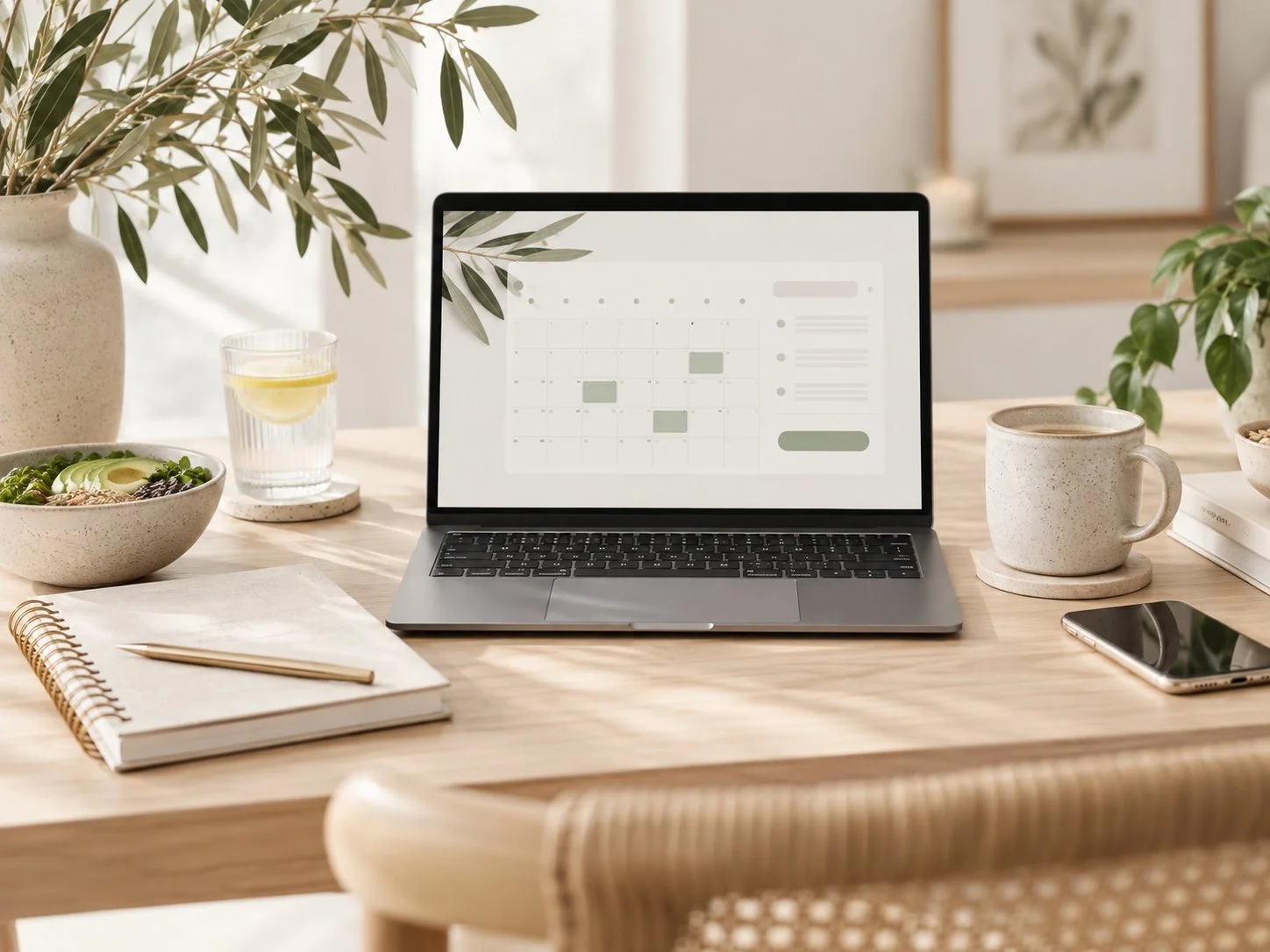
Right after checking your coverage, pick a time that works for you on the same Berry Street page. That’s it, you’re booked.
-
![Woman with her eyes closed in warm sunlight, feeling like herself again]()
03 Start feeling like yourself again
We start with a deep dive into your symptoms, history, and what you've already tried, and you'll leave with one or two specific changes to try. From there we meet regularly and we troubleshoot and adjust. That's where the real progress happens.